
Arizona Level I VIN Inspection Requirements - EZ Title & Registration
A vehicle can look perfectly ordinary and still need an Arizona Level I VIN inspection before its title or registration can move forward. This quick verification step is often required when paperwork and vehicle history need to be matched carefully – especially after an out-of-state purchase, a salvage rebuild, or a title issue that has turned into an MVD mystery.
The good news: a Level I inspection is not a mechanical safety inspection, emissions test, or a test of whether your vehicle is roadworthy. It is a focused check of the vehicle identification number and related ownership details. Knowing why it is needed and what to bring can keep a small errand from becoming a second trip.
What an Arizona Level I VIN Inspection Checks
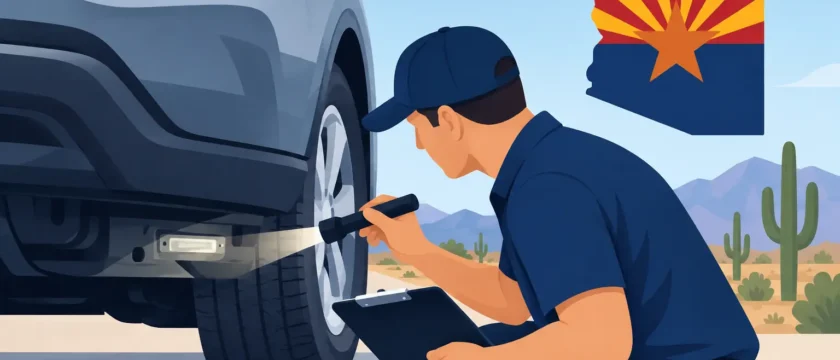
A Level I VIN inspection is a visual verification of your vehicle’s identifying information. The inspector checks the VIN displayed on the vehicle and compares it with the documents you provide. Depending on the vehicle and transaction, they may also review items such as the make, model, year, body style, and odometer information.
The purpose is straightforward: Arizona needs to confirm that the vehicle in front of the inspector is the same vehicle described in the ownership documents. That helps prevent title fraud, catches documentation errors, and gives the MVD a reliable record before it processes a title or registration transaction.
For most customers, this is a practical paperwork step, not an investigation. Still, accuracy matters. A single incorrect digit in a VIN can stop a transfer, delay a registration, or require the seller, lender, or another state agency to correct a document.
When You May Need a Level I VIN Inspection
A Level I inspection is commonly needed for a vehicle coming into Arizona from another state when you are applying for an Arizona title or registration. It may also be required for certain salvage, restored salvage, or specially documented vehicles, as well as vehicles with ownership records that need additional verification.
The exact requirement depends on the transaction and the vehicle’s history. For example, a standard out-of-state vehicle with a clean title may need a VIN inspection as part of its Arizona title process. A vehicle that has been rebuilt after a salvage designation may have additional title requirements beyond the Level I inspection. Imported vehicles, trailers, mobile homes, and vehicles with missing or incomplete documents can have their own rules.
That is why it helps to start with the outcome. Are you trying to title an out-of-state car, transfer ownership, register a recently purchased vehicle, resolve a salvage title issue, or correct a VIN-related record problem? The answer determines whether a Level I inspection is enough or just one piece of the file.
What to Bring to Your Inspection
Bring the vehicle itself. That sounds obvious, but the inspector must physically see the VIN on the vehicle. A photo, a previous inspection report, or a VIN written on a form cannot replace the vehicle being present.
You should also bring the ownership paperwork connected to your transaction. In most cases, that means the current title, registration, or other documents showing how the vehicle came into your possession. If a lender holds the title, bring any available registration, lienholder information, or paperwork provided for the transaction.
A good preparation checklist includes:
- The vehicle, with the VIN plate and other VIN locations accessible
- Your current title, registration, or ownership documents
- A valid government-issued photo ID
- Bills of sale, lien paperwork, or power of attorney documents if they apply
- Any MVD forms or correspondence you were given for your specific transaction
If your vehicle has unusual paperwork, bring more rather than less. A bill of sale, salvage certificate, prior registration, customs paperwork, or corrected title document may answer a question on the spot. It is much easier to sort through a complete folder than to hunt for a missing document after the inspection.
Make the VIN Easy to Read
Before you leave home, locate the VIN. On many passenger vehicles, it is visible through the windshield on the driver’s side of the dashboard. It may also appear on the driver’s door frame, under the hood, on the frame, or in another manufacturer-designated location.
Clear away anything that blocks the VIN plate. Heavy window tint, dashboard covers, dirt, damage, or glare can make the number difficult to read. If the vehicle has been restored, repaired, or modified, tell the inspector upfront if you know of a VIN location that is harder to access.
Do not clean, alter, repaint, or attempt to repair a VIN plate yourself. A damaged, missing, or altered VIN can require additional review and may involve a different inspection process. In that situation, being direct about what you know is far more helpful than trying to make the issue look simpler.
What Happens During the Inspection
The inspection itself is usually brief when the vehicle and documents are ready. The inspector verifies the VIN and records the information needed for your title or registration transaction. You may be asked questions about the vehicle’s ownership history or the paperwork in your file, particularly when details do not match exactly.
A mismatch does not automatically mean there is a serious problem. Sometimes the issue is a typo on a title, an outdated registration, a model-year difference, or a document that uses a shortened vehicle description. But it does need to be resolved before the transaction can be completed correctly.
This is also why a Level I VIN inspection should not be treated as a last-minute formality. If you are buying a vehicle from a private seller, inspect the title and compare its VIN to the vehicle before money changes hands. The VIN should match character for character. If it does not, pause the sale until the discrepancy is explained and corrected.
Level I Inspection vs. Emissions and Safety Checks
These services are easy to confuse because they all involve bringing a vehicle somewhere for review. They serve different purposes.
A Level I inspection verifies identity and documentation. An emissions test checks whether a vehicle meets emissions requirements in applicable Arizona areas. A mechanical or safety inspection evaluates vehicle condition, which is a separate matter from title and registration paperwork.
You may need more than one of these steps, depending on where you live, the vehicle type, and the transaction. Completing one does not necessarily complete the others. If you are working against a temporary registration deadline, ask about the full transaction path before assuming the VIN inspection is the only item left.
Special Situations That Need Extra Attention
Salvage and restored salvage vehicles deserve extra planning. A Level I inspection may be part of the process, but additional documentation or inspections can be necessary before the vehicle receives the correct Arizona title status. Bring repair records and all ownership documents you have.
Imported vehicles can also involve more than a standard VIN check. Federal import and customs documents, manufacturer labels, and title eligibility records may all matter. The same goes for trailers and mobile homes, where VIN placement and ownership paperwork are not always as straightforward as a typical car title.
If you have lost title documents, inherited a vehicle, bought one with incomplete paperwork, or found a VIN discrepancy after a sale, get guidance before making assumptions. These files can be solved, but the right next step depends on the facts. EZ Title Service can help customers sort out the paperwork path and complete authorized MVD transactions without making them translate government-form vocabulary first.
Avoid the Most Common Delays
The biggest delays usually come from arriving without the vehicle, bringing documents that do not match, or discovering a lien or ownership issue after the inspection. Check names, VINs, signatures, and dates before your visit. If someone signed on behalf of an owner, make sure the supporting authorization is available.
It is also wise to confirm that the person bringing the vehicle has the documents needed for the title transaction. An inspection result can be completed, but a title transfer may still have to wait if the buyer, seller, lienholder, or authorized representative is missing required paperwork.
A little preparation turns an Arizona Level I VIN inspection into what it should be: a quick confirmation that your vehicle and your paperwork tell the same story. Bring the vehicle, bring the documents, and let the details get checked before they become a bigger problem.
Leave A Comment