

How to Transfer a Car Title in Arizona Fast - EZ Title & Registration
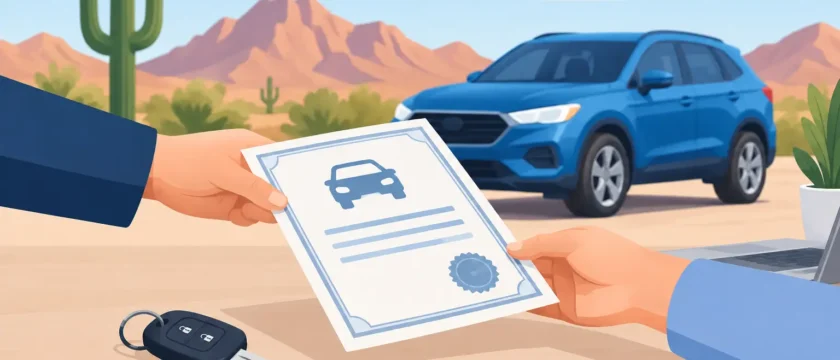
A private-party sale can feel finished the moment the keys change hands. In Arizona, though, the ownership change is not complete until the title is properly signed and transferred. If you need to transfer a car title in Arizona, a few minutes of preparation can prevent a return trip, a registration problem, or an awkward call to the seller after the fact.
The basic process is straightforward when the title is clean, the seller is available, and the buyer has the right documents. Things get more involved when there is a loan, a missing title, an out-of-state vehicle, a deceased owner, or handwriting that does not match the paperwork. Start with the outcome: you want the buyer listed as the legal owner and the vehicle registered correctly.
What a car title transfer in Arizona actually does
A title transfer updates the state record of who owns the vehicle. Registration is related, but it is not the same thing. The title establishes ownership; registration allows the vehicle to be legally driven on Arizona roads.
For a typical used-car sale, the seller assigns the title to the buyer. The buyer then applies for a new Arizona title and registration. Arizona license plates generally stay with the person who owns them, not with the vehicle, so a buyer should not assume the seller’s plate comes with the car.
The buyer should complete the title and registration process promptly. Waiting can create problems if the buyer needs insurance, a temporary permit, or proof of ownership. It also leaves more room for paperwork to get misplaced or details to be forgotten.
Before you transfer a car title in Arizona
The title itself deserves a close look before money changes hands. Check the vehicle identification number, year, make, and model against the vehicle. Then confirm that every listed owner can sign. If the title shows two owners joined by “and,” both generally need to participate. If it says “or,” the rules may be more flexible, but it is still smart to confirm the exact ownership wording before the sale.
A clean transfer usually requires these items:
- The original Arizona title, with the seller information completed accurately
- The buyer’s government-issued identification
- Proof of Arizona insurance for registration
- An odometer reading when required for that vehicle
- A lien release, if a lien appears on the title and has been paid off
- Payment for title, registration, and applicable vehicle fees
Do not write over errors, use correction fluid, or squeeze a new answer into a margin on the title. Titles are legal ownership documents, and alterations can make a perfectly ordinary sale look like an MVD mystery. If someone makes a significant mistake, ask about the correct correction process before submitting the document.
Sellers: sign the title carefully
The seller needs to complete the assignment section on the title exactly as requested. Names should match the printed owner names, and signatures should be consistent with the ownership arrangement. The purchase date, sale price, and mileage may also be required, depending on the title and vehicle.
Arizona title transfers generally do not require a notary for a standard private-party sale. That does not mean every situation is standard. A power of attorney, estate transfer, out-of-state title, or unusual ownership record can bring different documentation requirements.
Sellers should also submit a Sold Notice after the vehicle leaves their possession. This step helps create a record that the vehicle was sold and can reduce headaches if the buyer receives a ticket, has an accident, or fails to register the vehicle right away. Keep a copy or photo of the signed title and bill of sale for your records.
Buyers: verify first, then pay
Buyers should make sure the seller’s name on the title matches the person selling the vehicle. A title signed by someone who is not the listed owner is a warning sign, even if the story sounds reasonable. Avoid buying a vehicle with an open title, meaning a prior buyer was written in but never completed the transfer.
If there is a lien listed on the title, do not assume a verbal promise is enough. The lien must be released before the buyer can receive a clear title. In some cases, the lender may still hold the title, which changes the timing and paperwork for the sale.
A bill of sale is not always the document that transfers ownership, but it is a very good record of the transaction. Include the buyer and seller names, vehicle details, VIN, sale price, date, and both signatures. It can help resolve questions later about when the vehicle changed hands.
When a normal title transfer is not enough
Some files need more than a signed title. That does not mean the sale is impossible. It simply means the right path depends on why the normal document is missing or incomplete.
If the title has been lost, the current owner may need to obtain a duplicate before selling. If the vehicle came from another state, Arizona may require additional verification before issuing an Arizona title. A Level I VIN inspection can be needed in certain cases, particularly when records, title history, or vehicle origin need to be confirmed.
Inherited vehicles require documents that show who has authority to transfer ownership. Vehicles with a deceased owner, a trust, or an estate should be handled carefully before anyone signs the title. Salvage vehicles, restored vehicles, trailers, imported vehicles, and bonded-title cases each have their own rules and supporting paperwork. These are not situations to solve with crossed-out handwriting and optimism.
Registration, plates, and temporary permits
After ownership is transferred, the buyer needs to register the vehicle and receive the appropriate plate or permit before driving it regularly. Bring proof of insurance and be prepared for registration charges and vehicle-related fees. The amount can vary based on the vehicle, location, plate choice, and other factors.
The buyer may need emissions compliance before registration, depending on where the vehicle will be registered and the vehicle’s model year or type. Emissions rules are tied to Arizona requirements, not just the seller’s assurance that the car “passed recently.” Check the vehicle’s status early if the sale is happening near an expiration date or if the buyer needs to drive immediately.
If the vehicle cannot be registered on the spot, ask whether a temporary permit is appropriate. The correct option depends on the vehicle and transaction details. Driving with the seller’s plate or relying on an expired registration is not a shortcut worth taking.
Common mistakes that slow down Arizona title transfers
Most delays come from a handful of preventable issues: a missing seller signature, an unreleased lien, an incorrect VIN, an altered title, or a buyer who arrives without insurance. Another common problem is discovering too late that more than one owner must sign.
The simplest way to avoid these issues is to review the title together before the exchange. Compare the VIN character by character, confirm the lien status, and make sure the seller completes every required field. If something looks off, pause before payment. A careful pause is much easier than trying to track down a seller once the vehicle is in your driveway.
For routine transactions, an Arizona Authorized Third Party can help process the title and registration with direct access to MVD systems. For unusual ownership situations, EZ Title Service can help identify what documentation belongs in the file before you spend time standing in the wrong line.
Bring the original documents, keep copies of what you sign, and ask questions while the other party is still available. That is how a car sale stays a completed transaction instead of becoming next week’s paperwork problem.
Leave A Comment